
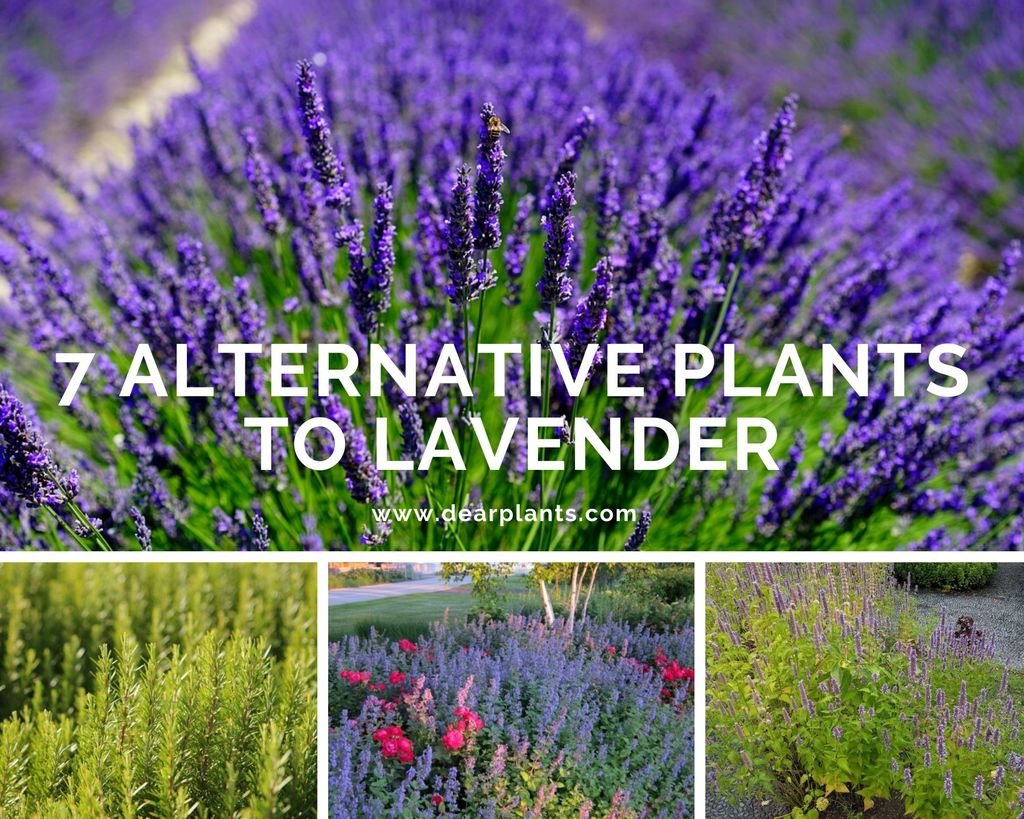
Lavender is undoubtedly a beloved favorite in gardens worldwide, cherished for its calming fragrance and stunning blooms. However, if you’re seeking to diversify your garden or encounter challenges growing lavender in your climate, fear not! There are several alternative plants to lavender that can provide similar beauty, fragrance, and even therapeutic benefits. Let’s explore seven delightful options that can elevate your garden to new heights.
In this article
1. Rosemary (Rosmarinus officinalis)
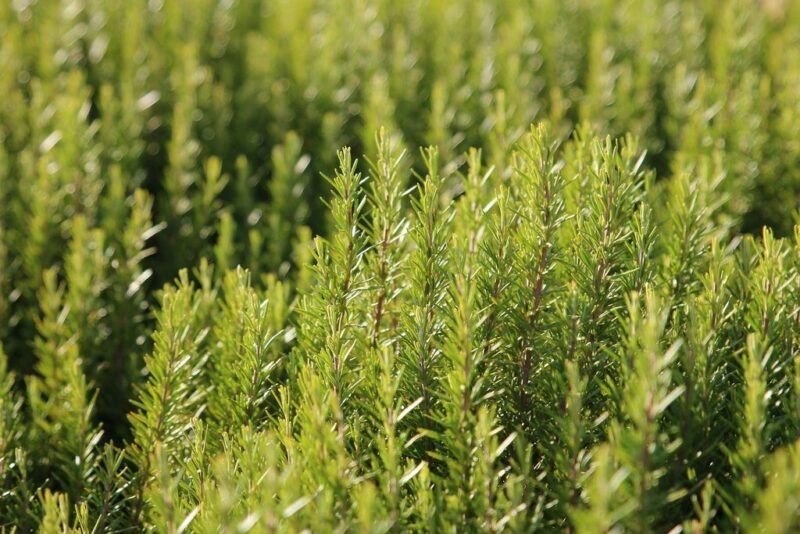
Rosemary, with its needle-like leaves and aromatic fragrance, makes an excellent substitute for lavender. Like lavender, rosemary thrives in sunny conditions with well-drained soil. Its culinary uses add versatility, and its blue flowers attract pollinators, making it a delightful addition to any herb garden or landscape.
2. Russian Sage (Perovskia atriplicifolia)
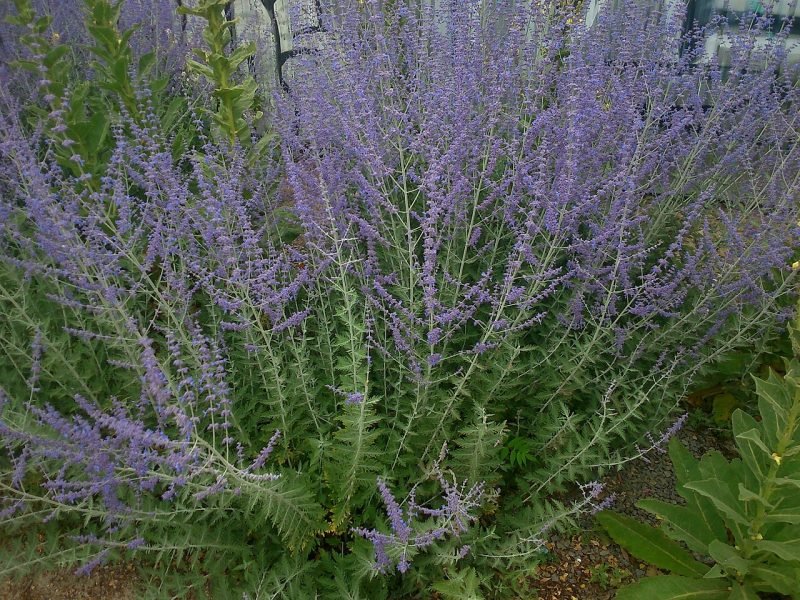
Russian Sage offers a similar aesthetic to lavender with its airy, silvery foliage and tall spires of tiny blue flowers. This drought-tolerant perennial thrives in hot, dry climates and poor soil, making it ideal for xeriscaping. Its long blooming season and resistance to pests and diseases make it a low-maintenance yet striking choice for garden borders or as a focal point.
3. Catmint (Nepeta spp.)
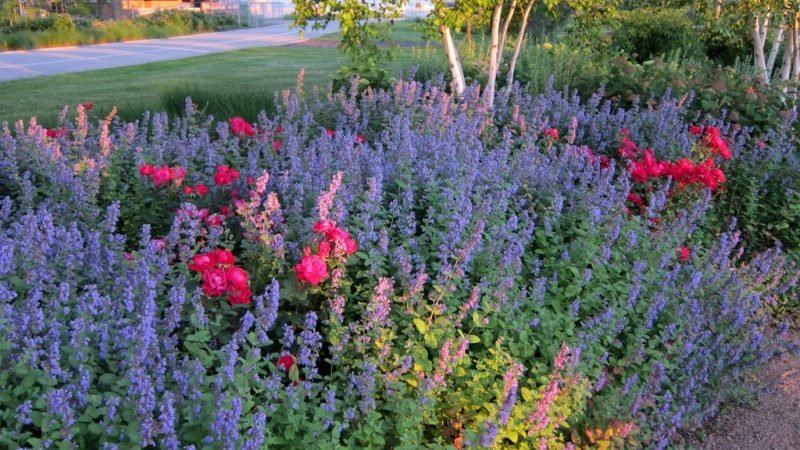
Catmint, a member of the mint family, shares lavender’s penchant for attracting bees and butterflies with its profusion of small, lavender-blue flowers. Hardy and easy to grow, catmint thrives in full sun to partial shade and tolerates a variety of soil conditions. Its aromatic foliage releases a pleasant scent when brushed against, and regular pruning encourages continuous blooms throughout the season.
4. Hyssop (Hyssopus officinalis)

Hyssop, with its vibrant blue to purple flowers and aromatic foliage, is a charming alternative to lavender. This drought-tolerant herb thrives in sunny locations and well-drained soil, making it suitable for rock gardens, borders, or herb gardens. Hyssop’s medicinal properties, including its use in teas and herbal remedies, add an additional layer of interest to this versatile plant.
5. Agastache (Agastache spp.)
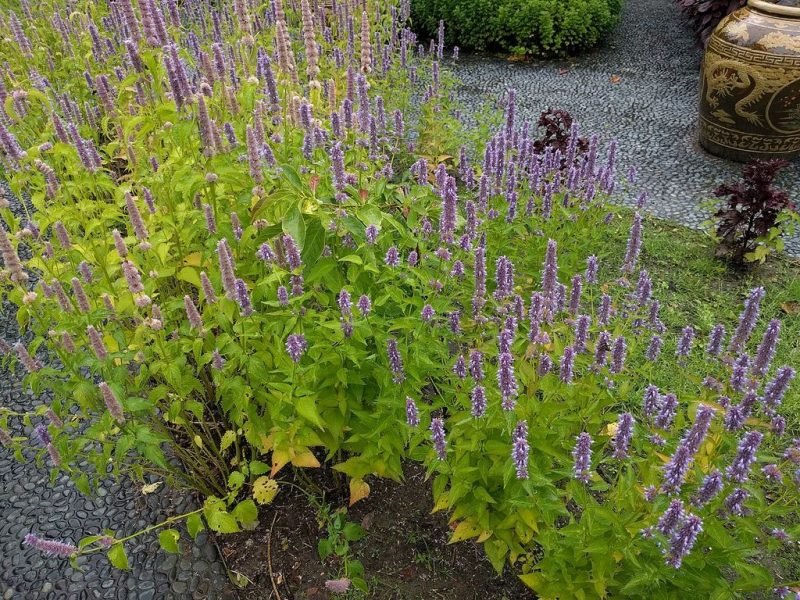
Agastache, also known as hyssop or hummingbird mint, encompasses a diverse group of perennials prized for their vibrant flowers and aromatic foliage. Available in various colors including purple, pink, and orange, agastache attracts pollinators like bees and hummingbirds to the garden. Its drought tolerance, long blooming period, and resistance to deer and rabbits make it a valuable addition to any garden bed or container.
6. Bee Balm (Monarda spp.)
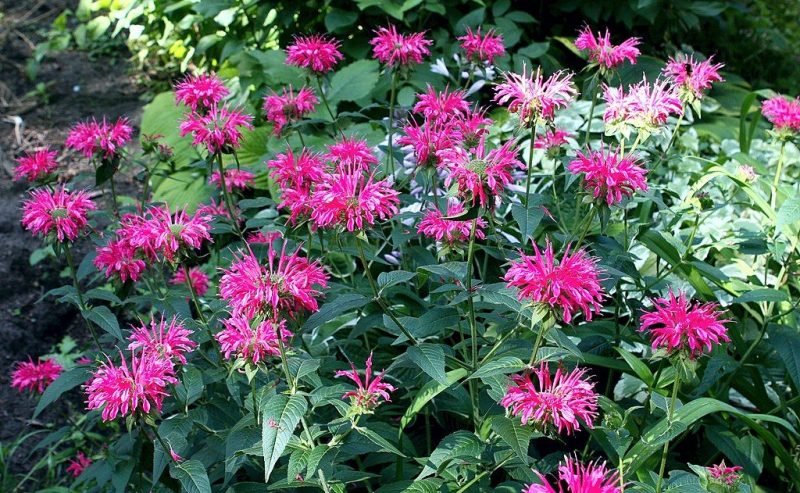
Bee Balm, with its showy, tubular flowers in shades of pink, purple, and red, adds a splash of color and fragrance to the garden. This North American native thrives in moist, well-drained soil and prefers partial to full sun. Not only does bee balm attract pollinators, but its aromatic leaves can also be used to make tea, adding both beauty and functionality to the landscape.
7. French Tarragon (Artemisia dracunculus)

French Tarragon (Artemisia dracunculus), prized for its culinary uses, also boasts delicate, lavender-colored flowers that add ornamental value to the garden. This perennial herb prefers sunny locations with well-drained soil and requires protection from harsh winter conditions. Its licorice-like flavor enhances a variety of dishes, making it a delightful and practical addition to kitchen gardens or mixed borders.
Conclusion
While lavender holds a special place in the hearts of gardeners worldwide, exploring alternative plants can enrich and diversify your garden landscape. Whether you seek similar fragrance, aesthetic appeal, or medicinal properties, the plants mentioned above offer a delightful array of choices to suit various climates and preferences. Embrace the opportunity to experiment with these alternatives and discover new dimensions of beauty and functionality in your garden.
.jpg)


