

For centuries, boxwood (Buxus sempervirens) has reigned supreme in the realm of topiary and hedging due to its dense foliage, malleability, and ability to withstand regular pruning. However, as gardeners seek alternatives for various reasons including disease susceptibility and ecological diversity, several alternative plants have emerged as worthy contenders for creating stunning topiaries and hedges. Let’s delve into some alternative plants to boxwood that offer unique characteristics and charm.
In this article
1. Japanese Holly (Ilex crenata)

Known for its small, glossy leaves and compact growth habit, Japanese Holly is an excellent substitute for boxwood. It responds well to shaping and pruning, making it ideal for intricate topiary designs. Additionally, it is resistant to many of the pests and diseases that plague boxwood, offering greater reliability in the garden.
2. Privet (Ligustrum spp.)

Privet species such as Ligustrum japonicum and Ligustrum ovalifolium are valued for their rapid growth and dense foliage, making them popular choices for hedging. Their versatility allows for a variety of forms, from formal to informal, and they tolerate a wide range of soil and light conditions. Privet also produces small, fragrant flowers in spring, adding seasonal interest to the landscape.
3. Holly (Ilex spp.)

With its spiny leaves and vibrant berries, holly brings a touch of festive cheer to the garden year-round. Varieties like Ilex aquifolium ‘Golden King’ and Ilex × altaclerensis ‘Golden King’ offer variegated foliage, adding visual interest to hedges and topiaries. Holly responds well to pruning and shaping, allowing for creative expression in garden design.
4. Yew (Taxus spp.)
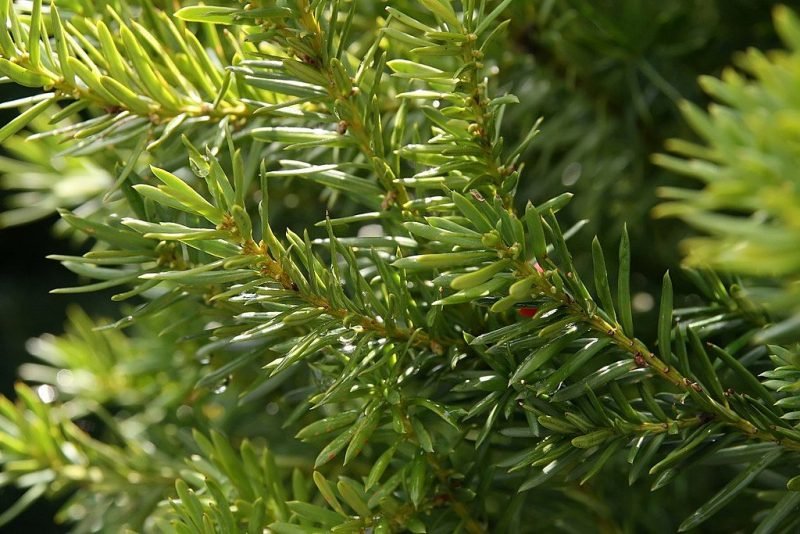
Yews are renowned for their dark green foliage and tolerance of heavy pruning, making them well-suited for topiary and formal hedges. Varieties such as Taxus baccata ‘Repandens’ and Taxus x media ‘Hicksii’ offer different growth habits, from spreading to upright, providing options for various design preferences. Yews are also long-lived and drought-tolerant once established, adding resilience to the landscape.
5. Dwarf Alberta Spruce (Picea glauca ‘Conica’)
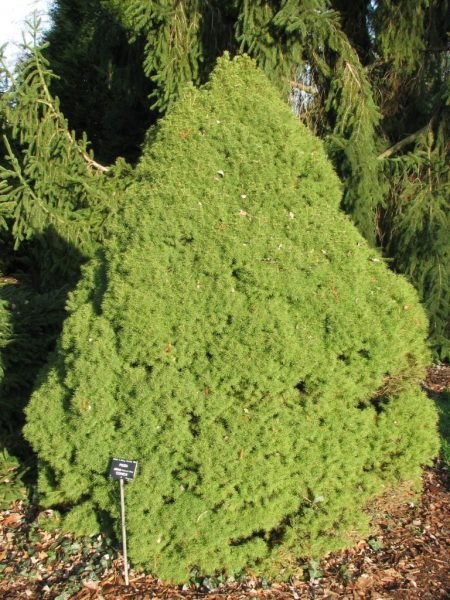
While not traditionally associated with topiary, Dwarf Alberta Spruce offers a unique alternative with its conical shape and dense, bright green foliage. Its slow growth rate makes it manageable for shaping, and its compact size is well-suited for smaller gardens or containers. With proper care, this evergreen conifer can add an elegant touch to any topiary composition.
6. Rosemary (Rosmarinus officinalis)
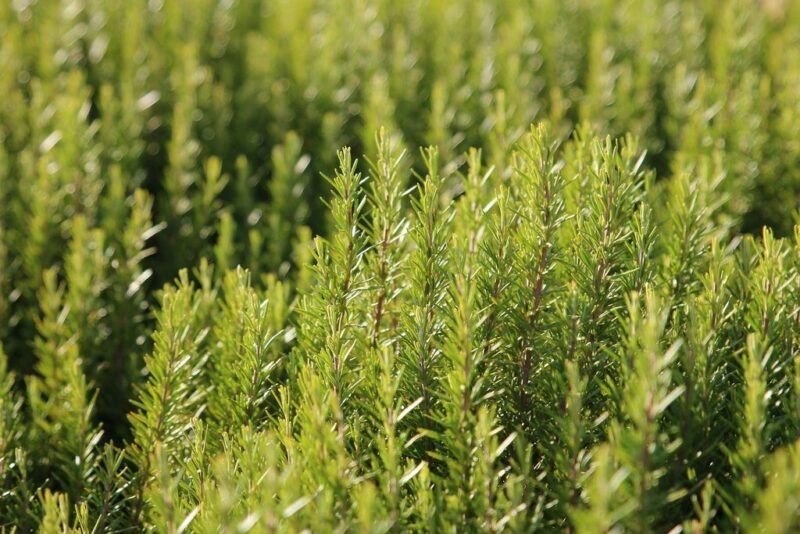
For a fragrant and flavorful alternative, consider using rosemary for topiary and hedging. This Mediterranean herb features needle-like leaves and delicate blue flowers, lending a rustic charm to the garden. Rosemary is drought-tolerant and thrives in sunny locations, making it an excellent choice for water-wise landscapes.
7. Podocarpus (Podocarpus spp.)
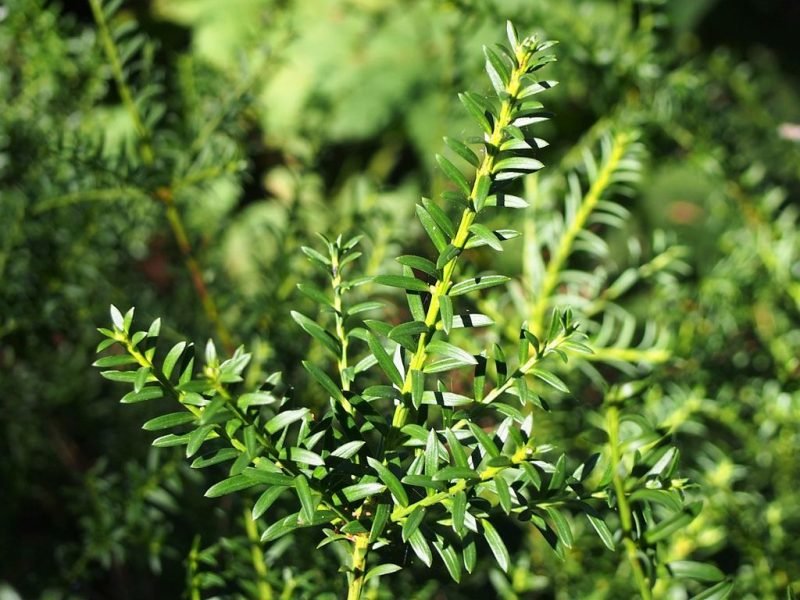
Podocarpus, commonly known as yew pine or Buddhist pine, is an excellent alternative for creating formal hedges or sculptural topiaries. With its dense, evergreen foliage and tolerance of pruning, Podocarpus can be shaped into various geometric forms or maintained as a neat hedge. Podocarpus nivalis, in particular, with its narrow, dark green leaves, offers a refined aesthetic suitable for both contemporary and traditional garden designs. Podocarpus nivalis was highlighted by Matthew Pottage, Curator at RHS Garden Wisley.
Conclusion
While boxwood has long been the go-to choice for topiary and hedging, gardeners now have a wealth of alternatives to explore. Whether seeking resilience against pests and diseases, unique aesthetic appeal, or environmental sustainability, these alternative plants to boxwood offer diverse options for creating captivating landscapes. By embracing these options, gardeners can infuse their gardens with creativity, resilience, and enduring beauty.


_(22574477055).jpg)


